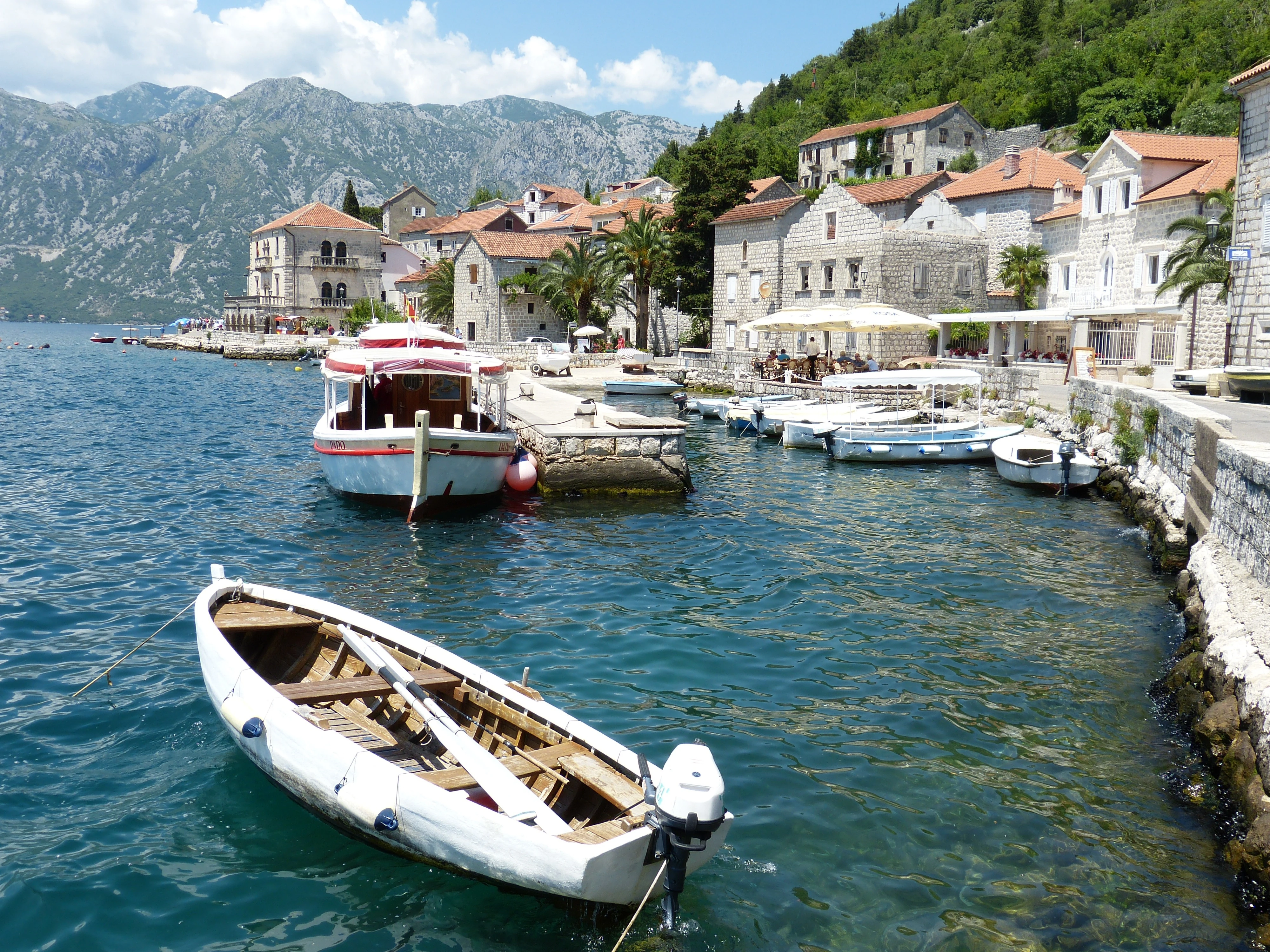
Some places do not try to impress you
Some places do not compete for attention with giant beach clubs, endless souvenir shops or crowded sunset viewpoints. They simply move at a slower pace, and quietly become unforgettable.
Perast is one of those places.
Hidden along the Bay of Kotor in Montenegro, this tiny coastal town feels completely different from many of the Mediterranean destinations that dominate social media every summer. While nearby hotspots become increasingly crowded during peak season, Perast still offers something that is becoming surprisingly rare in Europe: calm.
Not empty. Not boring. Just peaceful.
A Mediterranean town that still feels human
Perast is small enough that you can walk through most of it in less than an hour. There are no large modern hotels dominating the coastline, no loud tourist chaos and no endless streams of traffic.
Instead, you find old stone buildings, quiet waterfront cafés, slow evenings by the water, church towers rising above the bay and mountains reflecting in perfectly still morning water.
The atmosphere feels cinematic without trying to be.
And unlike many heavily visited coastal destinations, Perast still feels connected to local life rather than built entirely around tourism.
Why travelers are starting to look for places like this
Many Mediterranean destinations have become victims of their own popularity.
Beautiful places naturally attract attention, but once cruise tourism, viral social media exposure and peak-season overcrowding arrive together, the experience often changes completely.
Travelers increasingly complain about noise, packed streets, overpriced restaurants, long waiting times and difficulty finding peaceful moments.
That is exactly why quieter alternatives like Perast are becoming more valuable.
The experience feels slower, more personal and less exhausting.
The best time to visit Perast
If you want to experience Perast at its best, timing matters.
The best months are May, June and September. During these periods, the weather is usually warm enough for coastal walks and boat trips, while the atmosphere remains noticeably calmer than peak summer weeks.
September is especially beautiful, with softer light, fewer visitors and warm evenings by the bay.
When to avoid peak crowds
Perast is still far quieter than many Mediterranean hotspots, but nearby tourism pressure from Kotor and cruise activity can increase during peak August weekends.
If possible, avoid mid-July to late August weekends, major regional holiday periods and cruise-heavy daytime hours.
Early mornings and evenings remain the most magical moments in the town.
A quieter alternative to crowded Adriatic destinations
Perast works especially well for travelers who love Dubrovnik’s architecture, Croatia’s coastline, Mediterranean atmosphere, slow travel, photography and peaceful seaside evenings, but want a calmer experience.
It is not a party destination.
It is not designed for rushed tourism.
And that is exactly its strength.
Why places like Perast matter
The future of travel will not only be about discovering new places.
It will also be about rediscovering balance.
Places where tourism still feels sustainable, mornings still feel quiet, local identity still exists and travelers can experience a destination without constantly fighting crowds are becoming more important every year.
Perast may not stay undiscovered forever.
But for now, it still feels like one of the Mediterranean’s quietest secrets.